

Dysport Dosing: Best Practices for Various Applications


According to Tyson et al. (2020), precision dosing promises to transform health care. This approach has the potential to significantly enhance patient outcomes by optimizing benefits and minimizing risks associated with drug therapy.
Medical professionals must carefully consider the appropriate dosing for each patient to unlock the full potential of medical interventions. Fortunately, Dysport’s unique properties allow providers to adjust the injection dosage to fit patients’ needs as a viable option for their frown lines, spasticity, or even off-label uses.
This article will explore the proper dosing of Dysport, factors influencing the dosage, off-label uses, and dosing adjustments.
Key Takeaways
- Several factors influence the appropriate Dysport dosing, each playing a crucial role., such as patient characteristics and treatment area.
- Determining the correct Dysport dosing involves meticulous consideration and professional medical advice.
- This personalized plan allows providers and patients to discuss the desired outcomes, specific needs, and overall health conditions that can align the Dysport dosing to the injection procedure.
- It’s worth noting that Dysport dosing, whether for its approved indications or off-label uses, requires careful dosage considerations.
About: Nordic Medical Solutions is your trusted all-in-one supplier, offering a wide range of high-quality medical injectables and supplies. If you’re looking to order Dysport online, our dedicated sales agents are here to provide expert guidance. We deliver a worry-free experience when it comes to sourcing the most popular and reliable products on the market. Whether you are a healthcare professional, plastic surgeon, dermatologist, licensed esthetician, or other specialist, we offer only genuine, brand-name products to meet your needs. At Nordic Medical Solutions, our priority is to support your practice and help improve patients’ quality of life.
Factors Influencing Dysport Dosing
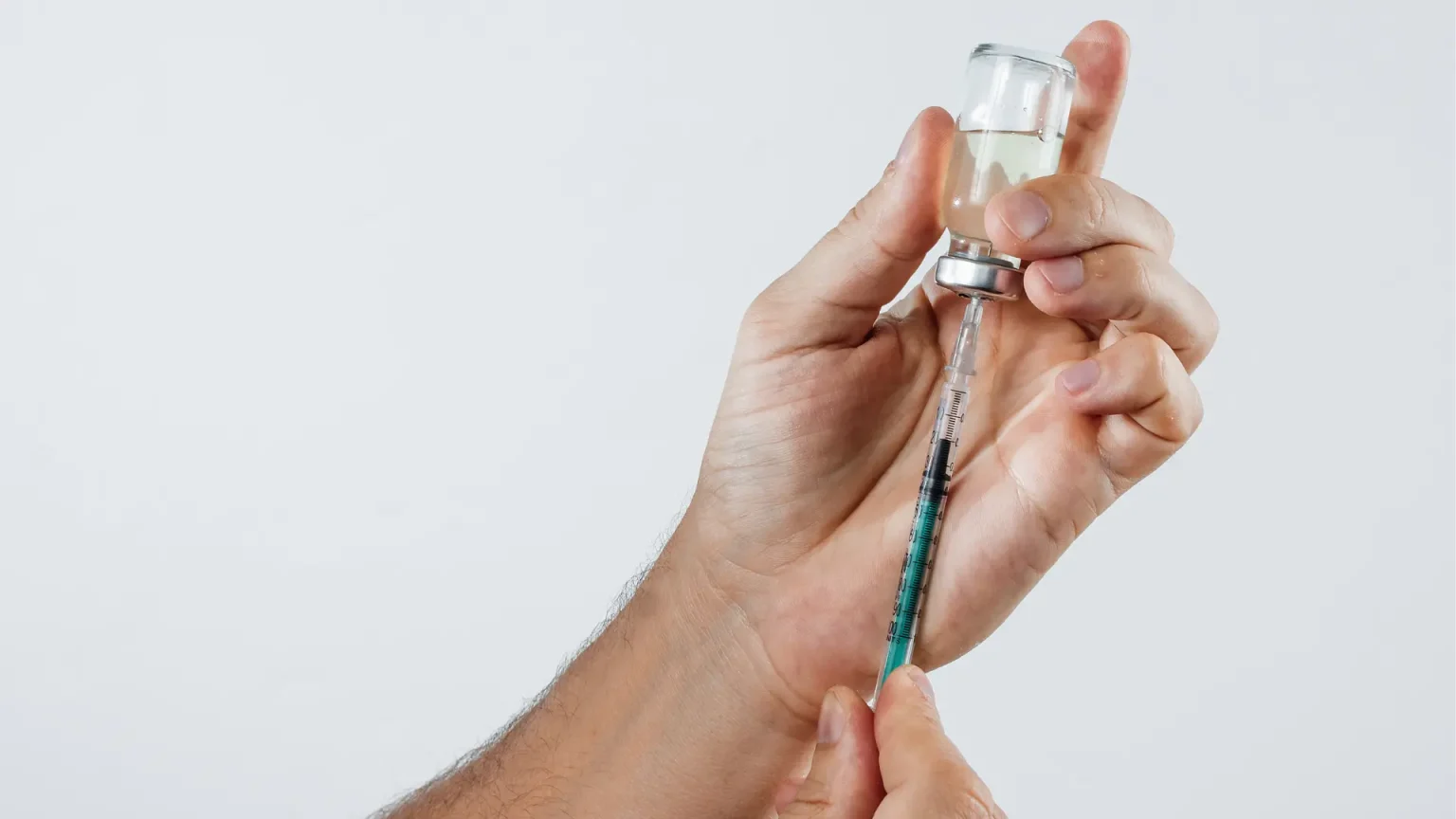
- Patient Age, Gender, and Muscle Mass: Dysport dosing influence the injection’s efficacy. Older patients may require less dosage due to muscle atrophy, while men often need more due to their larger muscle mass.
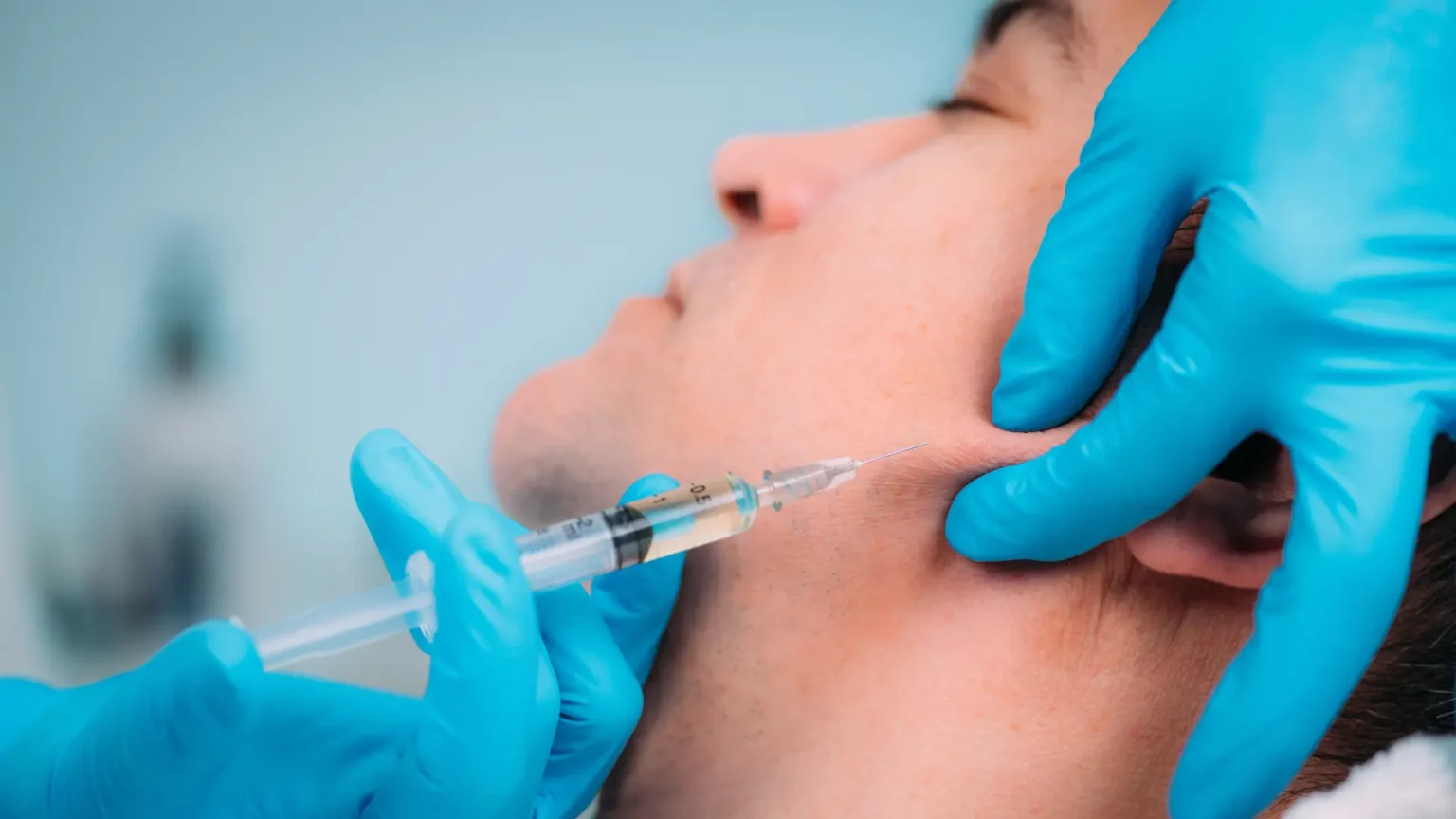
- Treatment Area Considerations: The injection site can impact the Dysport dosing for each individual. Larger areas or those with stronger muscles may need higher dosages of solution. However, providers need precision to avoid side effects, and consulting a healthcare professional can help them gain personalized advice.
Recommended Starting Doses and Titration Strategies
- Cervical Dystonia: The initial Dysport dose is 500 Units, given intramuscularly as a divided dose among the affected muscles. Re-treatment every 12 to 16 weeks or longer, as necessary, and between 250 and 1000 Units to optimize clinical benefit. Moreover, titrate in 250-unit steps according to the patient’s response.
- Glabellar or Frown Lines: Administer a total dose of 50 Units, divided into five equal aliquots of 10 Units each. Providers must administer re-treatment for at most three months. The injection requires an intramuscular administration for optimal results.
- Spasticity in Adults: The Dysport dosing for upper limb spasticity requires between 500 and 1000 Units, while lower limb spasticity needs up to 1500 Units. The maximum recommended total dose for each individual in each session is 1500 Units.
- Upper Limb Spasticity in Pediatric Patients: The recommended dosage for upper limb spasticity is 8 Units/kg to 16 Units/kg per limb and must not exceed 16 Units/kg or 640 Units, whichever is lower, for each treatment.
- Lower Limb Spasticity in Pediatric Patients:Lower limb spasticity requires 10 Units/kg to 15 Units/kg per limb, with a total dose per treatment session. The dose must not exceed 15 Units/kg for unilateral lower limb injections, 30 Units/kg for bilateral injections, or 1000 Units, whichever is lower.
Individual Patient Response and Dose Adjustments

Dosing Considerations for Off-label Uses
It’s worth noting that Dysport dosing, whether for its approved indications or off-label uses, requires careful dosage considerations. Medical professionals know the most suitable dosage requirements for each patient’s condition.
- Dysport Dosing for Hyperhidrosis: While no specific dosage has been mentioned for hyperhidrosis, the Dysport dosing depends on the severity of the condition and the treatment area. Providers can monitor the patient’s response and adjust the dosage accordingly.
- Dysport Dosing for Masseter Reduction: Similar to hyperhidrosis use, the recommended dosage for Dysport masseter reduction is not mentioned. Providers must determine the masseter muscle size and the degree of reduction to know the needed Dysport dosage.
Medical professionals may recommend regular follow-ups to assess the dosage adjustments for the following procedures. Patients should consult a healthcare professional for personalized advice to ensure the safety of Dysport injections.
Conclusion
Dysport dosing is a complex process that requires careful consideration of various factors. These include patient characteristics, such as age, gender, muscle mass, and the specific treatment area. It’s crucial to understand that Dysport dosing needs a patient-centric approach and a tailored treatment plan to carefully align the treatment based on the patient’s needs and goals.
Providers must consider evidence-based starting doses and titration strategies and tailor them to each patient’s response to treatment. Off-label uses of Dysport, such as for hyperhidrosis and masseter reduction, also require specific dosing considerations. Regular monitoring and dose adjustments based on individual patient needs to achieve optimal outcomes while minimizing side effects.
FAQs
1. What factors influence Dysport dosing?
Several factors influence Dysport dosing, including patient age, gender, muscle mass, and the treatment area.
2. What are the recommended starting doses for Dysport administration?
The recommended starting doses for Dysport administration vary based on the treatment condition. For example, cervical dystonia requires an initial dosing of 500 Units, while Glabellar or Frown Lines require a total dose of 50 Units.
3. Can Dysport dosing be personalized?
Yes, Dysport dosing requires a patient-centric approach. Healthcare professionals can create a tailored treatment plan based on individual patient responses, needs, and overall health conditions. They can also adjust the Dysport dosage for off-label uses, such as masseter reduction and hyperhidrosis.
References
- Tyson, R. J., Park, C. C., Powell, J. R., Patterson, J. H., Weiner, D., Watkins, P. B., & Gonzalez, D. (2020). Precision Dosing Priority Criteria: Drug, Disease, and Patient Population Variables. Frontiers in pharmacology, 11, 420. https://doi.org/10.3389/fphar.2020.00420
- HIGHLIGHTS OF PRESCRIBING INFORMATION. (n.d.). Retrieved May 6, 2024, from https://www.ipsen.com/products/Dysport_Full_Prescribing_Information