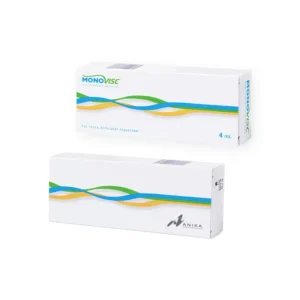
Since Synvisc involves a series of injections, Durolane could be a cost-effective choice for individuals preferring a single injection. However, patients should have a detailed discussion with their healthcare provider about insurance coverage and the affordability of both Synvisc and Durolane. This personalized conversation will provide comprehensive insights tailored to their specific needs.
The longevity of the outcomes can significantly impact patient satisfaction. Both Durolane and Synvisc utilize the potency of hyaluronic acid (HA) for managing knee osteoarthritis. However, Durolane’s NASHA technology enables HA to function more effectively and persistently within the joint space than Synvisc, which uses HA derived from rooster combs.
Furthermore, when choosing between Durolane vs Synvisc injections for knee osteoarthritis (OA), medical professionals must consider patient preferences and individual factors. A thorough consultation and tailoring treatment plans based on these considerations can enhance patient satisfaction. Other practical considerations may include the following:
- Difference in Formulation
- Single Injection vs Multiple Injection
- Patient Safety and Individual Needs
- Specific Indications
Medical professionals must give these injectables to patients who have not responded to conservative therapy or simple analgesics. While they have similar mechanisms of action and benefits, individuals should thoroughly consult with medical professionals to equip them with comprehensive information about the treatments. This allows them to make informed decisions about managing their knee OA.
Conclusion
The comparison between Durolane vs Synvisc provides valuable insights into knee osteoarthritis (OA) treatments. Both injections offer viable viscosupplementation options for managing knee OA, improving mobility, and relieving pain. However, they differ from Durolane’s convenient single-injection therapy and Synvisc’s three-injection regimen.
Understanding the differences between these treatments can help medical professionals tailor their recommendations to meet individual patient preferences, treatment goals, and cost considerations. By considering factors such as the duration of pain relief and the number of injections required, healthcare providers can make informed decisions to provide optimal care for patients with knee osteoarthritis.
FAQs
1. What is viscosupplementation?
Viscosupplementation involves hyaluronic acid injections into the knee joint to relieve knee osteoarthritis patients.
2. What are the key differences between Durolane and Synvisc?
Durolane is a single-injection therapy, while Synvisc requires multiple injections. Durolane offers long-lasting pain relief, while Synvisc contains Hylan A and Hylan B polymers.
3. How do Durolane and Synvisc relieve pain and improve joint function?
Both injections act as lubricants and shock absorbers when administered to the knee joint, reducing pain and improving joint mobility for osteoarthritis patients.