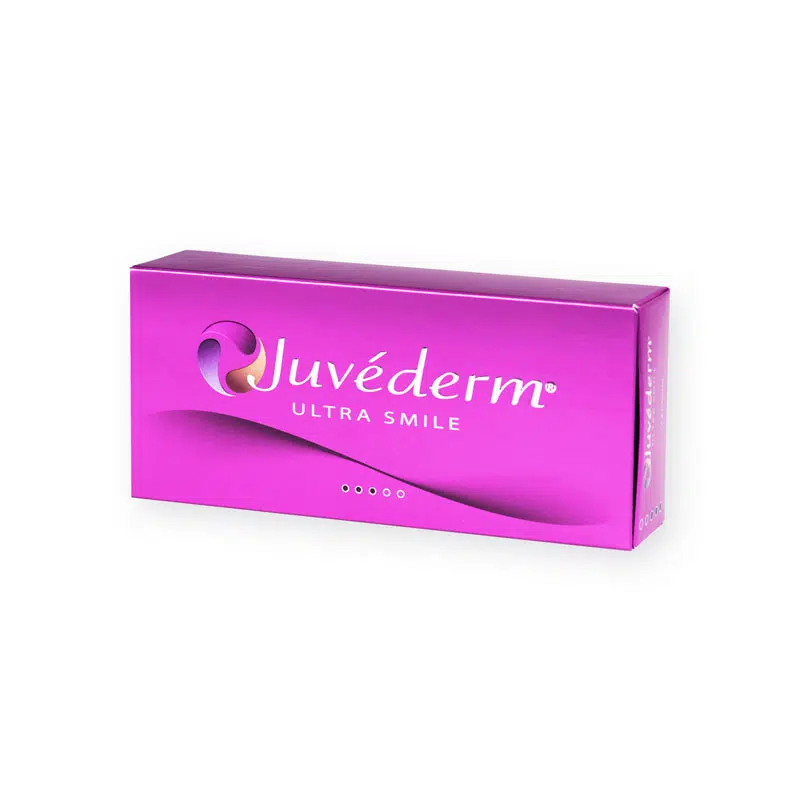
Why You Need to Offer Dental Fillers for Receding Gums

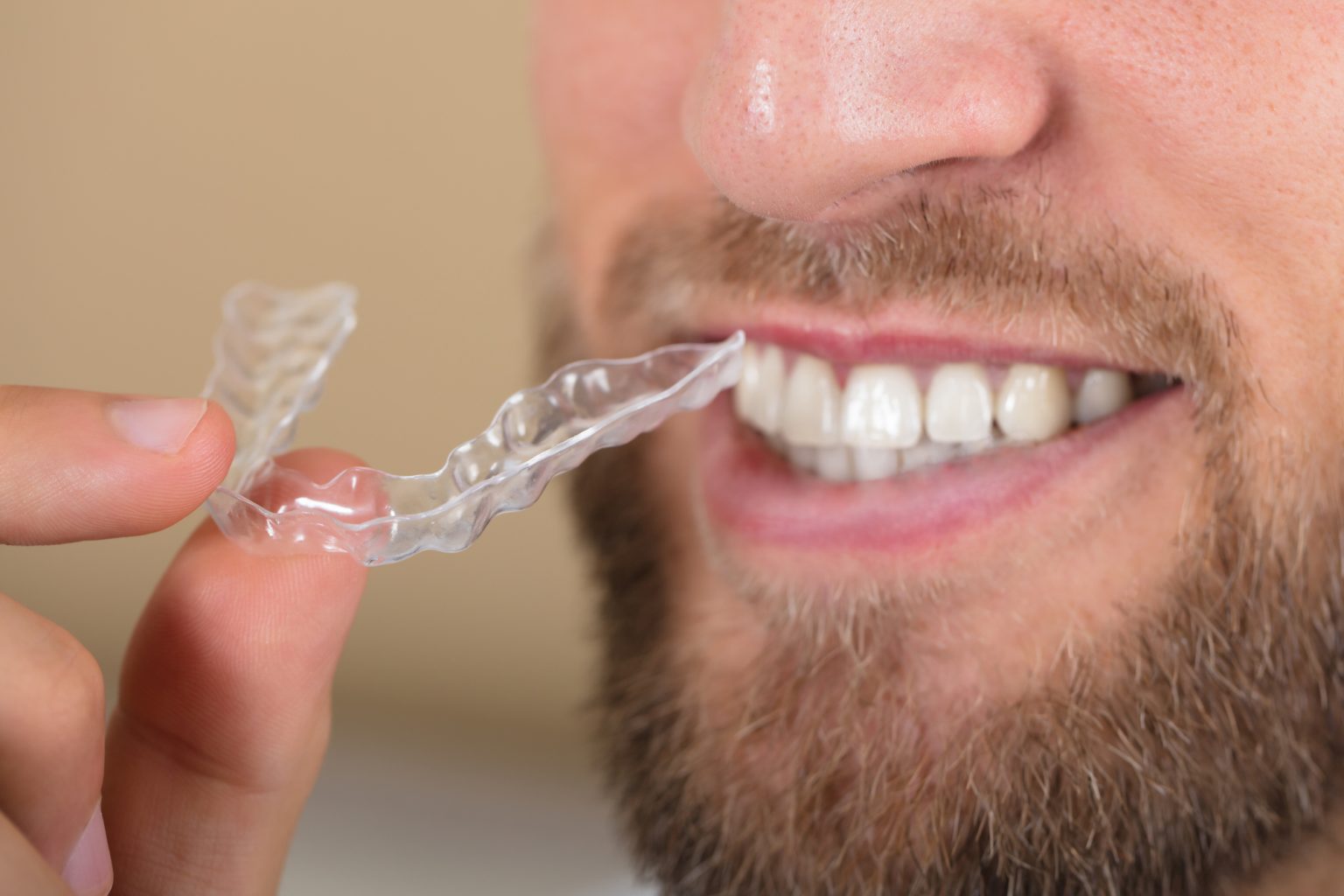
The demand for aesthetic solutions in dentistry has surged in recent years, with more and more patients seeking treatments like tooth whitening, veneers, and alignments.
As a result, the global cosmetic dentistry market value is anticipated to reach billions. A report from the American Society of Plastic Surgeons forecasts a 3% annual growth in the sales of soft tissue fillers. [1]
One common aesthetic dentistry complaint is gingival recession, which results in the formation of dark, triangular gaps between the teeth along the gumline. Offering dermal fillers for receding gums addresses patients’ cosmetic concerns while promoting periodontal health.
In this article, let’s discuss why receding gums occur and how dental fillers for receding gums work. We’ll also discuss the right clinical approach to this problem and the side effects to be aware of.
Key takeaways
- Hyaluronic acid (HA) dental fillers promote collagen synthesis, fibroblast activity, and tissue regeneration while reducing inflammation and restoring gum contour.
- Clinical studies show significant improvements in gingival soft tissue volume and aesthetic outcomes after dental filler treatments.
- HA fillers last 6-12 months and require follow-up treatments for maintenance.
- The side effects of gum fillers are mild and include swelling, bruising, and occasional hypersensitivity reactions.
Why Do Receding Gums Occur?
Receding gums, also known as gingival recession, is a condition in which the gingival margin—the tissue that surrounds and protects the teeth—pulls back or wears away. It exposes the cementum and, in more severe cases, the root surface of the tooth.
Several factors contribute to gingival recession, most of which involve a combination of mechanical trauma and biological predispositions. Common causes include:
- Thin gingival biotypes
- Natural aging processes
- Chronic periodontitis with the destruction of periodontal fibers and alveolar bone
- Vigorous or improper brushing techniques that cause abrasion to the gingival tissue
- Teeth positioned outside the alveolar bone envelope, such as in cases of crowding or protrusion
Do Dermal Fillers for Receding Gums Work?
Dermal fillers are used in aesthetic medicine for soft tissue augmentation and have recently gained attention in dentistry as a potential treatment for gingival recession.
These hyaluronic acid-containing fillers have been explored in cosmetic dentistry for their ability to restore volume and contour in areas of gum tissue loss.
In a randomized controlled trial conducted between 2015–2018, 20 patients with Seibert’s class I/II ridge in the anterior/premolar region were treated. Six months after implantation, test sites received hyaluronic acid injections, while control sites were given saline.
Clinical and radiological parameters were measured, which revealed a significant gain of 1.85mm in mesial and distal papilla, and 1.65mm at mid-buccal. The results showed that hyaluronic acid fillers improve buccal soft tissue and papillary height, and are a predictable, minimally invasive option for soft tissue correction. [1]
In another study, de Santana et al. reported improvements in clinical attachment level (CAL), probing depth (PD), gingival recession (REC), and probing bone levels, after using hyaluronic acid hydrogel scaffolds enriched with fibroblast growth factor type 2 (fhFGF-2) in the surgical treatment of periodontal intrabony defects. [2]
Dental fillers for receding gums work by:
- Reducing inflammation and accelerating wound healing
- Promoting collagen synthesis for gum structure and integrity
- Retaining moisture in gingival tissues due to the hygroscopic properties of hyaluronic acid
- Improving fibroblast activity, crucial for the synthesis of new extracellular matrix and soft tissue regeneration