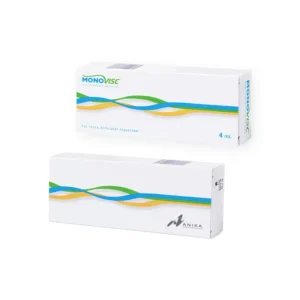
Durolane vs Monovisc – Which Is the Better OA Treatment?


Did you know that intra-articular hyaluronic acid injections can relieve pain and improve joint function for up to six months in knee osteoarthritis patients? These injections offer temporary relief, especially for individuals with mild to moderate knee osteoarthritis who haven’t experienced sufficient pain relief from topical or oral medications and physical therapy.
Knee osteoarthritis (OA) is a chronic condition without a cure. While some patients choose surgical interventions, others seek non-surgical, durable solutions. Durolane and Monovisc, both containing hyaluronic acid, provide substantial pain relief for knee OA, enhancing patients’ quality of life. Individual responses may vary; consulting a healthcare professional is crucial for personalized treatment options.
This article will compare Durolane vs Monovisc, their compositions, mechanisms of action, clinical efficacy, and practical considerations.
Key Takeaways
- While OA lacks a cure, management strategies, such as viscosupplementation, aim to alleviate symptoms and enhance quality of life.
- Durolane offers a single-injection therapy containing sodium hyaluronate, crosslinked using advanced NASHA technology.
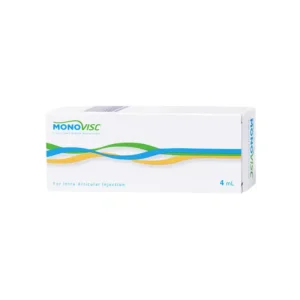
- Monovisc offers a single-injection treatment backed by a high-molecular-weight hyaluronic acid substance involving partial crosslinking.
- Durolane dosage requires a 3 mL injection, while Monovisc dosage needs a 4 mL injection to deliver optimal outcomes.
- These practical considerations can help healthcare providers and patients determine the most suitable viscosupplement for each patient’s goals and needs without compromising their health.