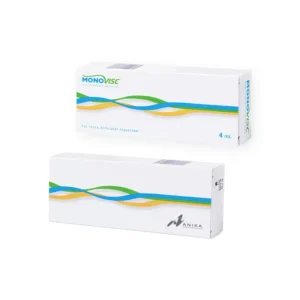
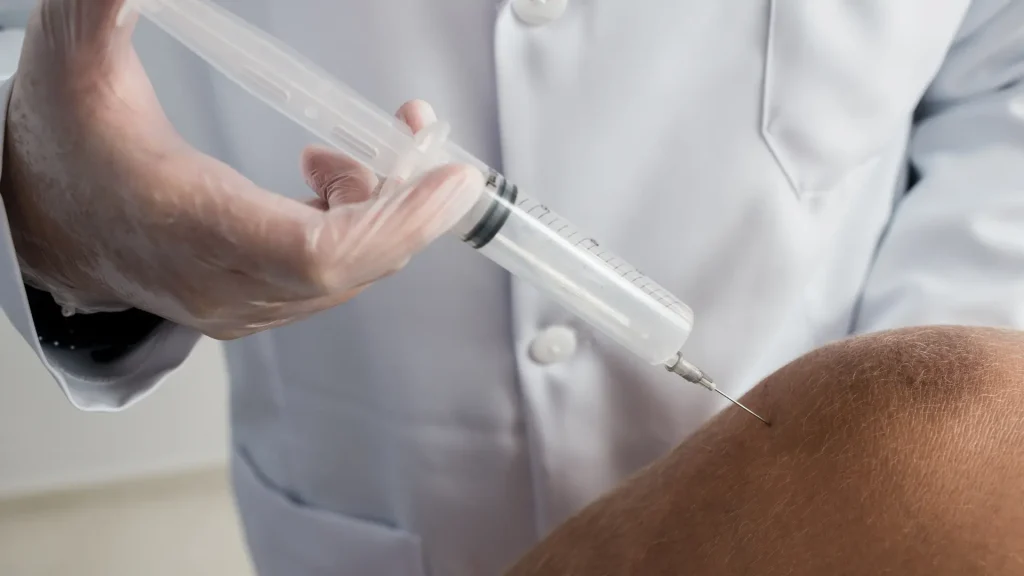
In addition to the common Durolane side effects, medical professionals should discuss the potential severe but rare side effects of this single-injection therapy. Understanding these factors and comprehensive information about Durolane helps patients make informed decisions for their treatment.
Infections
Although infections related to Durolane are uncommon, these symptoms require medical attention. Patients must look for redness, warmth, swelling, or pain at the injection site. Other infection symptoms may include fever, chills, or flu-like symptoms. If patients experience any of these signs, seek medical evaluation promptly.
Healthcare providers can effectively address persistent infection symptoms to avoid further complications. Early intervention helps prevent risks, ensure patient safety, and achieve optimal treatment outcomes.
Allergic Reactions
Meanwhile, allergic reactions may also occur due to the Durolane components. Although rare, patients should remain vigilant about the signs of allergic reactions, such as hives, itching, or skin rash. Other symptoms that patients may experience include swelling of the face, lips, tongue, or throat and difficulty breathing or wheezing.
Individuals should promptly call 911 or their healthcare provider to receive medical attention. Those with patients must monitor their condition while waiting for medical service. Moreover, they may also bring the patient to the nearest hospital for immediate medical response.
Durolane patients must thoroughly consult their medical providers to equip themselves with information and understanding about the treatment procedure, benefits, and potential risks. This helps individuals make informed decisions for their treatment with the guidance of medical professionals.
Conclusion
Durolane represents a promising option for individuals suffering from knee osteoarthritis (OA) due to its proven efficacy and safety. The single-injection hyaluronic acid (HA) therapy offers relief from pain, swelling, and stiffness, potentially delaying the need for knee replacement surgeries. Despite its effectiveness, Durolane may lead to common side effects typically lasting for a few days.
However, recognizing and managing these side effects can ensure a positive treatment experience. Additionally, while rare, serious side effects exist and should be thoroughly discussed with medical professionals to make informed treatment decisions. Proper consultation with healthcare providers is essential to equip individuals with the necessary knowledge about the treatment’s benefits, potential risks, and the management of side effects.
FAQs
1. What are the rare side effects of Durolane?
Rare side effects of Durolane may include allergic reactions, prolonged swelling, or infection at the injection site.
2. What are the common side effects of Durolane?
Common side effects of Durolane may include temporary redness, swelling, pain, itching, or tenderness at the injection site.
3. How long do common side effects of Durolane typically last?
Common side effects of Durolane, such as temporary redness, swelling, pain, itching, or tenderness at the injection site, are usually temporary and should resolve within a few days. If these symptoms persist or worsen, it’s advisable to consult with a healthcare professional for guidance.