

Calecim Serum Ingredients: The Role of Stem Cells in Hair Regeneration

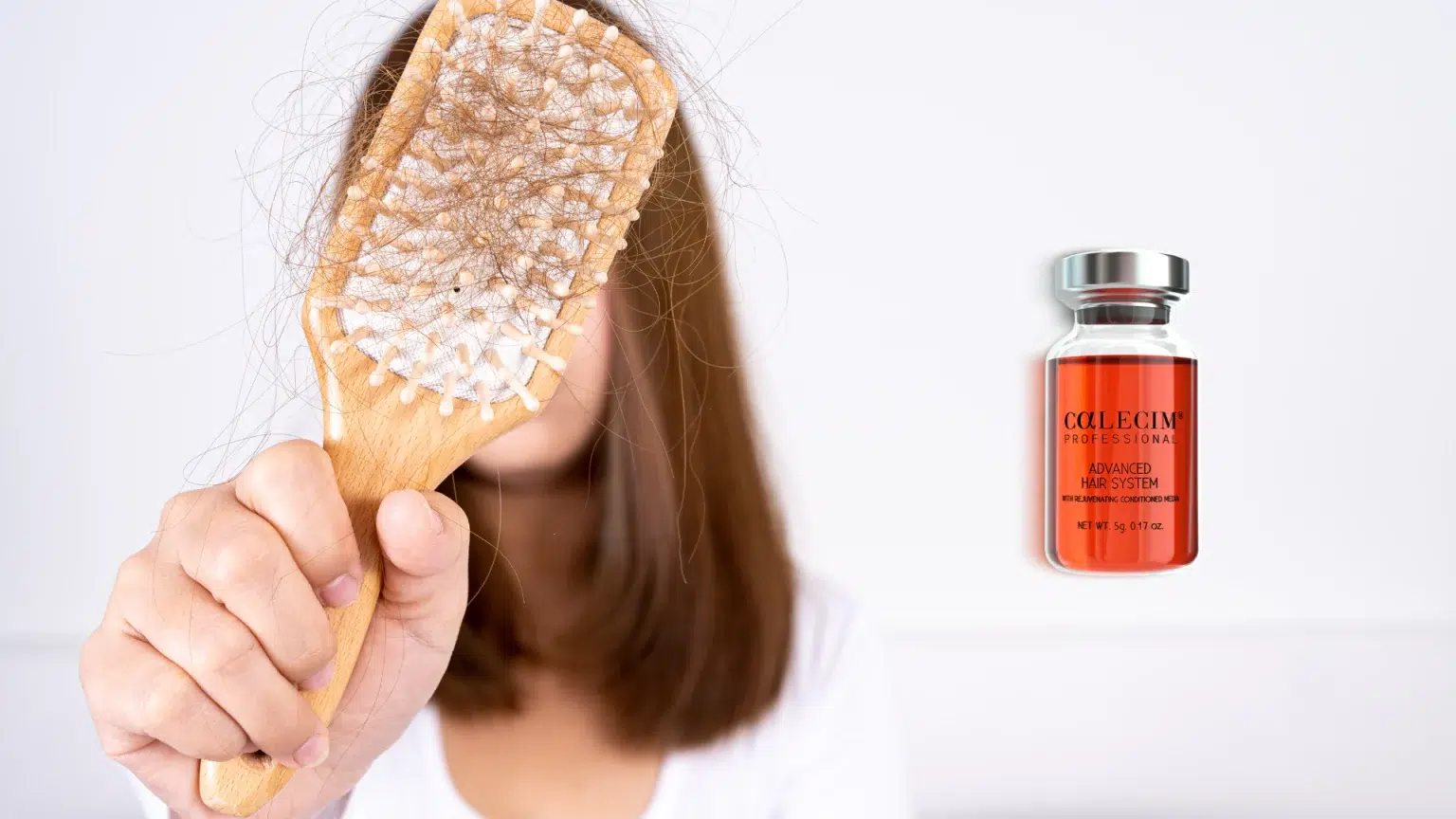
Did You Know?
The average healthy scalp contains 80,000 to 120,000 hairs, each going through a natural growth cycle consisting of four distinct phases:
-
Anagen (growth)
-
Catagen (transition)
-
Telogen (rest)
-
Exogen (shedding)
It’s completely normal to lose 50 to 100 hairs per day, but excessive hair loss may indicate an underlying condition—and could warrant consultation with a specialist.
Hair is more than just a physical feature; it’s closely tied to a person’s self-image, confidence, and emotional well-being. For many, a “bad hair day” can negatively affect self-esteem, while hair thinning or loss may lead to significant psychological stress. As a result, many turn to advanced hair restoration solutions to regain not only their hair—but their confidence.
This Article Covers:
Explore the transformative power of stem cell technology in treating hair loss. Understand how stem cells contribute to regeneration, and why the Calecim Advanced Hair System—featuring the proprietary PTT-6® complex—could be the solution to restoring your hair’s natural fullness and health.
Key Takeaways
-
Stem Cells act as the body’s natural repair system, capable of self-renewal and regenerating damaged tissues.
-
The two main types:
-
Embryonic Stem Cells: Pluripotent, can become any cell type.
-
Adult Stem Cells: Found in various tissues, responsible for localized repair.
-
-
In dermatology and trichology, stem cells stimulate hair follicle regeneration—even reactivating dormant follicles.
-
Calecim’s Advanced Hair System is a six-week clinical-grade program designed to address hair thinning and promote new growth.
-
PTT-6®, derived from ethically sourced stem cells, contains thousands of growth factors, exosomes, and cytokines to activate hair follicle function.
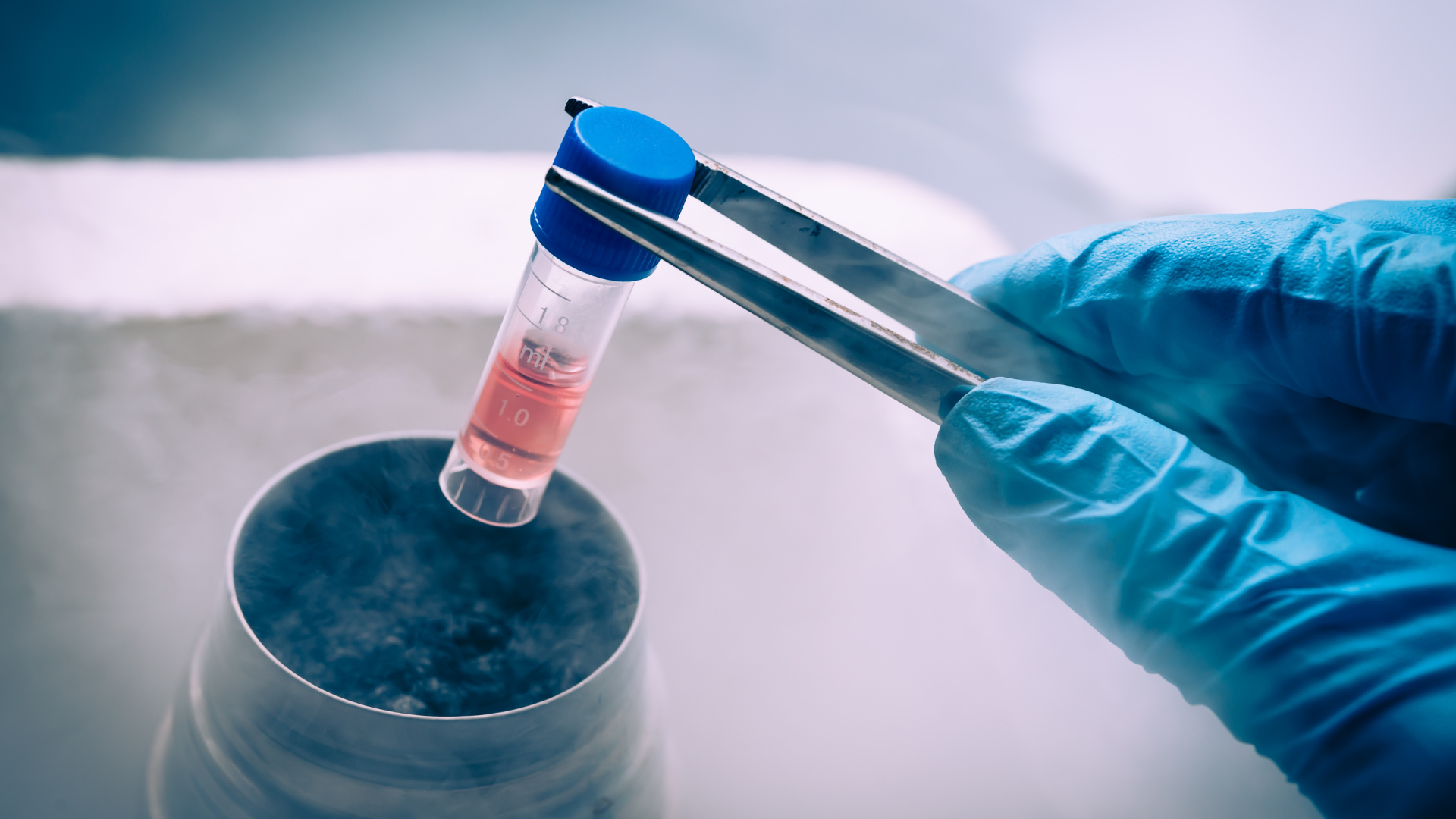
Understanding Stem Cells and Their Regenerative Role
Stem cells are not ordinary cells—they are the foundation of the body’s repair system. Unlike other cells, stem cells have no fixed function until the body assigns them one. Their extraordinary ability to transform into various cell types makes them an exciting frontier in modern medicine.
What Makes Stem Cells Unique?
Stem cells:
-
Can divide and renew themselves over long periods.
-
Are unspecialized, meaning they don’t have a specific role until needed.
-
Have the ability to become specialized cells, such as muscle cells, blood cells, or brain cells.
This powerful combination of traits means stem cells may one day treat or even cure a wide range of medical conditions—from chronic illness to severe injuries.
Types of Stem Cells
Adult Stem Cells
These reside in various tissues like:
-
Skin
-
Brain
-
Bone marrow
-
Blood vessels
They typically regenerate only certain types of cells, aiding in localized repair and renewal.
Embryonic Stem Cells
Sourced from embryos at the blastocyst stage, these cells have the potential to differentiate into almost any cell type in the human body. Two key cell groups in blastocysts include:
-
Inner Cell Mass: Becomes tissues, organs, and other specialized cells.
-
Trophectodermal Cells: Support early development.
Both types play a vital role in medical research, especially in regenerative medicine.
Potential Medical Applications
Stem cells are actively being studied in clinical trials to treat:
-
Neurological disorders
-
Spinal cord injuries
-
Diabetes
-
Heart disease
-
Liver damage
Their regenerative properties offer hope for organ repair, transplants, and managing chronic conditions—paving the way for revolutionary healthcare solutions.
The Science Behind Hair Loss and Regrowth
Understanding how hair loss occurs helps explain how stem cell technology like Calecim’s Advanced Hair System can help reverse it.
Common Causes of Hair Loss:
-
Genetics (hereditary hair loss)
-
Hormonal imbalances (e.g., pregnancy, thyroid disorders)
-
Medical conditions (alopecia areata, scalp infections)
-
Medications or treatments (chemotherapy, radiation)
-
Stressful life events
-
Tight hairstyles or frequent chemical treatments
Each of these factors can disrupt the hair growth cycle and lead to thinning or shedding.
The Hair Growth Cycle
Hair goes through four natural phases:
-
Anagen (Growth Phase):
Hair grows actively, often for several years. -
Catagen (Transition Phase):
A short phase where growth stops, and follicles shrink. -
Telogen (Resting Phase):
Old hairs rest while new ones begin forming underneath. -
Exogen (Shedding Phase):
Old hairs fall out to make room for new growth.
Most people lose 50 to 100 hairs per day, but excessive shedding may signal a deeper problem.

-
-
-
-
The Hair Growth Cycle: Understanding Each Phase
The Anagen Phase
Also known as the growing phase, this is when hair actively grows. During Anagen, hair follicles push out new hairs. This phase lasts the longest—typically 3 to 5 years, though it can extend to 7 years or more in some people. The length of this phase largely determines the length of your hair.The Catagen Phase
This is the transition phase that marks the end of active growth. It’s the shortest phase, lasting about 10 days, but sometimes a little longer. During Catagen, hair follicles shrink, and hair growth slows down significantly.The Telogen Phase
Known as the resting phase, hair neither grows nor falls out during Telogen. New hairs begin to form in the follicles beneath the scalp during this time, preparing for the next growth cycle.The Exogen Phase
The final stage, often called the shedding phase, is when hair naturally falls out from the scalp. Activities like washing or brushing can accelerate shedding during this phase, making it a normal part of the hair cycle.
Stem Cells and Hair Aging
As we age, the regenerative power of stem cells diminishes, and hair follicles undergo changes that contribute to thinning and hair loss. Stem cells play a critical role in sending cellular signals to hair follicle cells, promoting cell production and reducing inflammation, which supports healthier hair growth.
How Stem Cells Contribute to Hair Regeneration
Stem cells have the unique ability to activate dormant hair follicles and stimulate hair regrowth. Hair follicle regeneration is regulated by specific pathways that control adult stem cell activity. When inhibitory signals are removed, these pathways resume normal function, activating stem cells and restoring hair growth.
A significant research study using organoids (clusters of stem cells) uncovered a six-step process of stimulating hair growth. The study also highlighted the importance of certain genes and the increased production of collagen and insulin in promoting healthy hair growth.
Calecim Serum Ingredients: Harnessing Stem Cell Therapy for Hair Restoration
Stem cells can transform into various cell types, making them powerful tools in repairing damaged tissues and promoting regeneration. In the context of hair loss, stem cell therapy aims to repair damaged hair follicles and promote new growth.
A novel approach, the stem cell hair transplant, differs from traditional hair transplants by harvesting stem cells from a small skin sample rather than large hair grafts. These stem cells are then multiplied and reimplanted into the scalp to stimulate new hair follicle growth.
While promising, clinical applications of stem cell hair transplants are still under study and require more research before becoming widely available and approved.
Understanding Calecim Serum and Its Ingredients
[Continue with your next section here…]
-
-
-

-
-
Calecim for Hair: Advanced Stem Cell Technology for Hair Restoration
Amid numerous advances in stem cell research, Calecim Professional has successfully developed a hair care product designed to address common hair concerns. While Calecim for Hair Serum is generally safe for individuals with various hair types, it is essential to consult a trusted practitioner before beginning the Calecim Advanced Hair System (AHS) treatment.
The serum targets key hair issues often linked to aging, including:
-
Hair thinning
-
Hair loss (varying by severity)
-
Dry hair
-
Brittle hair
The Calecim Advanced Hair System (AHS)
The AHS is a six-week hair restoration program formulated to combat the hair concerns mentioned above. Treatment duration may vary depending on the severity of hair issues. The primary goals are to stimulate hair regrowth and promote healthier, more vibrant hair.
Calecim’s stem cell technology is patented and derived from ethically sourced mammalian umbilical cord lining. This unique source provides stem cells for therapeutic purposes, which are key to the serum’s efficacy. The active ingredient PTT-6® plays a pivotal role in rejuvenating hair follicles and revitalizing hair growth.
The Power of PTT-6®
-
Contains over 3,000 active growth factors and exosomes.
-
Derived from ethically sourced stem cells.
-
Facilitates cell-to-cell communication, producing beneficial proteins.
-
Stimulates the body’s cells to repair and rejuvenate.
With PTT-6®, even dormant hair follicles can be activated to produce new, healthy hair.
Benefits of Calecim Hair Serum
-
Stimulates hair growth
-
Optimizes hair follicle health
-
Increases hair shaft thickness
-
Promotes hair follicle cell growth
-
Boosts hair density
-
Reduces hair shedding
Clinically Validated Results
The Calecim Advanced Hair System demonstrates proven efficacy within six weeks, with no reported patient side effects. It supports follicle cell growth and reduces follicle inflammation. Clinical trial data highlight:
-
14% increase in hair count on the scalp
-
15% increase in follicle density per square meter
-
16% increase in hair shaft thickness
Final Note
While the Calecim hair growth serum works effectively for most users, professional consultation is highly recommended before starting any new hair care regimen. A credible practitioner can assess your individual needs and guide you for safe and optimal results.
-
-
-
-
Calecim: Practical Tips for Incorporating Stem Cell Therapy into Your Hair Care Regimen
Stem cell-based treatments are still rare in everyday hair care, but if you’re looking for an effective option to address hair concerns, Calecim for Hair could be the solution. After consulting with a trusted doctor, you can embark on your journey with the Calecim Advanced Hair System (AHS).
Purchase and Pricing
You can purchase the Advanced Hair System for $360 on the Calecim Professional website. The kit includes a derma stamp, which enhances the serum’s absorption for optimal results. The AHS follows a two-phase treatment cycle designed to maintain strong follicle function and promote long-lasting outcomes.
How to Use the Calecim Advanced Hair System
Treatment Phase:
-
Apply the AHS twice a week.
-
Use half an ampoule per application, totaling one full ampoule weekly.
Maintenance Phase:
-
Reduce application to once a week.
-
Use half an ampoule per application.
Tips for Home Application
Consistency is key to restoring your best hair. Follow these steps to maximize your results with Calecim AHS at home:
-
Section your hair and prepare the derma stamp.
-
Use the derma stamp on your scalp in a gentle stamping motion, covering the treatment area thoroughly.
-
Replace the tip of the Calecim hair serum bottle with the derma stamp for easier application.
-
Apply Calecim for Hair Serum directly to the scalp.
-
Gently massage your scalp to evenly distribute the serum.
-
Repeat this process across other scalp sections as needed.
About Nordic Medical Solutions
Nordic Medical Solutions is your trusted source for high-quality medical injectables and supplies. We offer transparent pricing on Calecim serum and a broad selection of premium products, including Hyacorp Filler. Our services are tailored to healthcare professionals, plastic surgeons, dermatologists, licensed estheticians, and other specialists seeking authentic, brand-name products. Dedicated to supporting clinical excellence, Nordic Medical Solutions delivers outstanding service and expert support to help you meet professional demands and enhance patient outcomes.
References
-
Do you have hair loss or hair shedding? (n.d.). American Academy of Dermatology Association. Retrieved February 16, 2024, from aad.org
-
Dhami, L. (2021). Psychology of hair loss patients and importance of counseling. Indian Journal of Plastic Surgery, 54(04), 411–415. https://doi.org/10.1055/s-0041-1741037
-
Jang, H., Jo, Y., Lee, J. H., & Choi, S. (2022). Aging of hair follicle stem cells and their niches. Journal of Biochemistry and Molecular Biology, 56(1), 2–9. https://doi.org/10.5483/bmbrep.2022-0183
-
Stem Cell Basics | STEM Cell Information. (n.d.). National Institutes of Health. https://stemcells.nih.gov/info/basics/stc-basics/#stc-I
-
Turner, J., [BSN, RN]. (2023, March 14). Stem Cell Treatment for Hair Restoration. Healthnews. https://healthnews.com/beauty/hair/stem-cell-treatment-for-hair-restoration/
-
-