

Crespine Gel FDA Approval Status

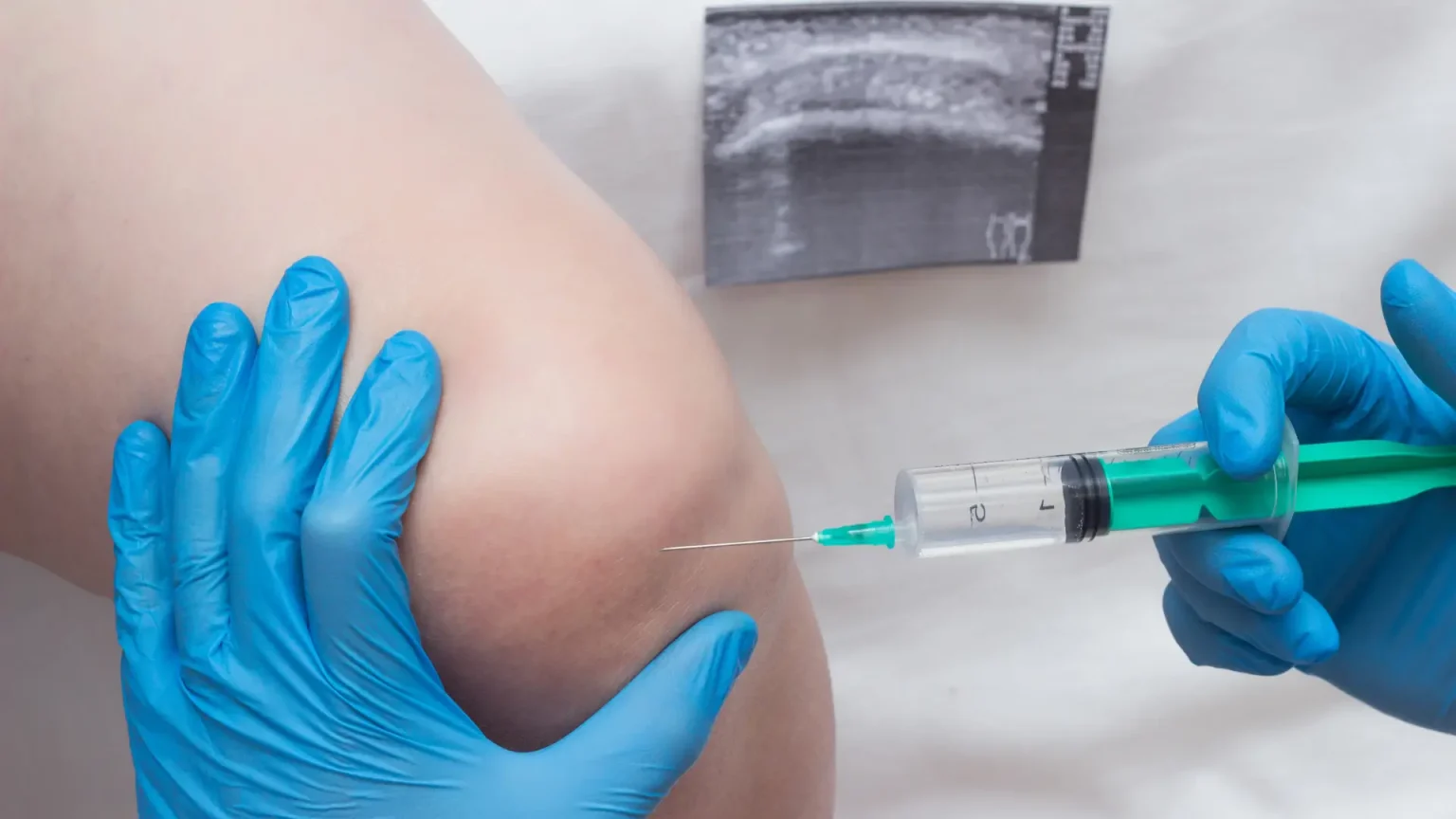
Hyaluronic acid injections have become a well-tolerated and effective treatment for knee osteoarthritis (OA). They often offer better results than placebo treatments in reducing pain and stiffness. Studies consistently show that hyaluronic acid injections can be particularly beneficial for managing mild to moderate knee OA symptoms.
Knee osteoarthritis causes pain, stiffness, and swelling, making everyday activities challenging. While surgical treatments are available, many patients prefer minimally invasive options. Crespine Gel, a hyaluronic acid-based viscosupplement, has demonstrated significant success in alleviating pain, improving joint function, and enhancing the quality of life for those affected by knee OA.
In this article, we will dive into Crespine Gel’s viscosupplement, its FDA approval status, clinical trial results, and the regulatory approval process behind this treatment.
Key Takeaways
- Knee osteoarthritis (OA) frequently impacts quality of life by limiting individuals’ ability to perform daily activities due to its symptoms.
- HA viscosupplementation is an effective treatment for knee OA, as evidenced by the demonstrated efficacy and safety of intra-articular Crespine Gel.
- Because it contains non-animal-based hyaluronic acid (HA), Crespine Gel has a reduced risk of allergic reactions.
- Crespine Gel provides a high-purity, resorbable intraarticular implant designed to treat osteoarthritis in individuals.
- Currently, limited information is available regarding the FDA approval status of Crespine Gel.
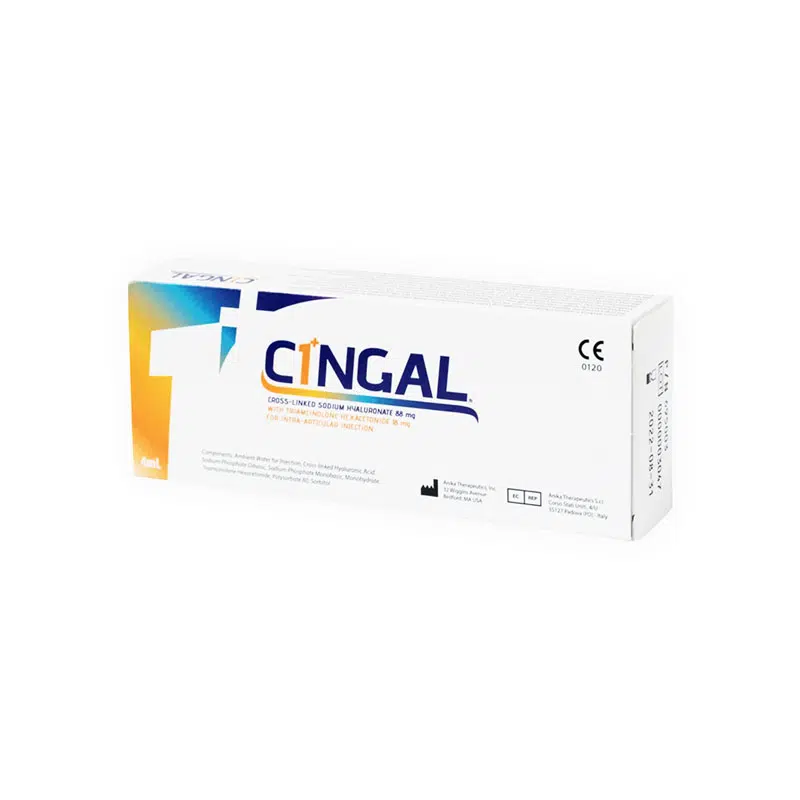


- Hyaluronic acid
- Crosslinked hyaluronic acid
- Natriumchloride
- Water for injection
Thanks to its non-animal-based HA, Crespine Gel reduces the risk of allergic reactions and offers a high-purity, resorbable solution for intra-articular use. It effectively treats osteoarthrosis of the knee and hip joints, alleviating pain, improving mobility, and enhancing overall joint function.
Clinical Trials and Regulatory Process
A phase IV study suggests that hyaluronic acid (HA) can reduce the need for oral analgesics and potentially delay future surgeries for individuals with knee osteoarthritis (OA). The study demonstrates the efficacy and safety of intra-articular Crespine Gel, supporting HA viscosupplementation as an effective treatment for knee OA.
However, limited studies highlight the injections’ effectiveness in treating knee OA. Currently, there is insufficient information about Crespine Gel’s FDA approval status. The medical field lacks information on whether the injection has been received or has yet to achieve the green light from the US Food and Drug Administration to reach a broader therapeutic market in the region.
As of now, Crespine Gel is not listed in the FDA-approved medical devices database. However, its manufacturer may be undergoing approval for the injection.
FDA Approval Process

Indications, Dosage, and Patient Suitability
-
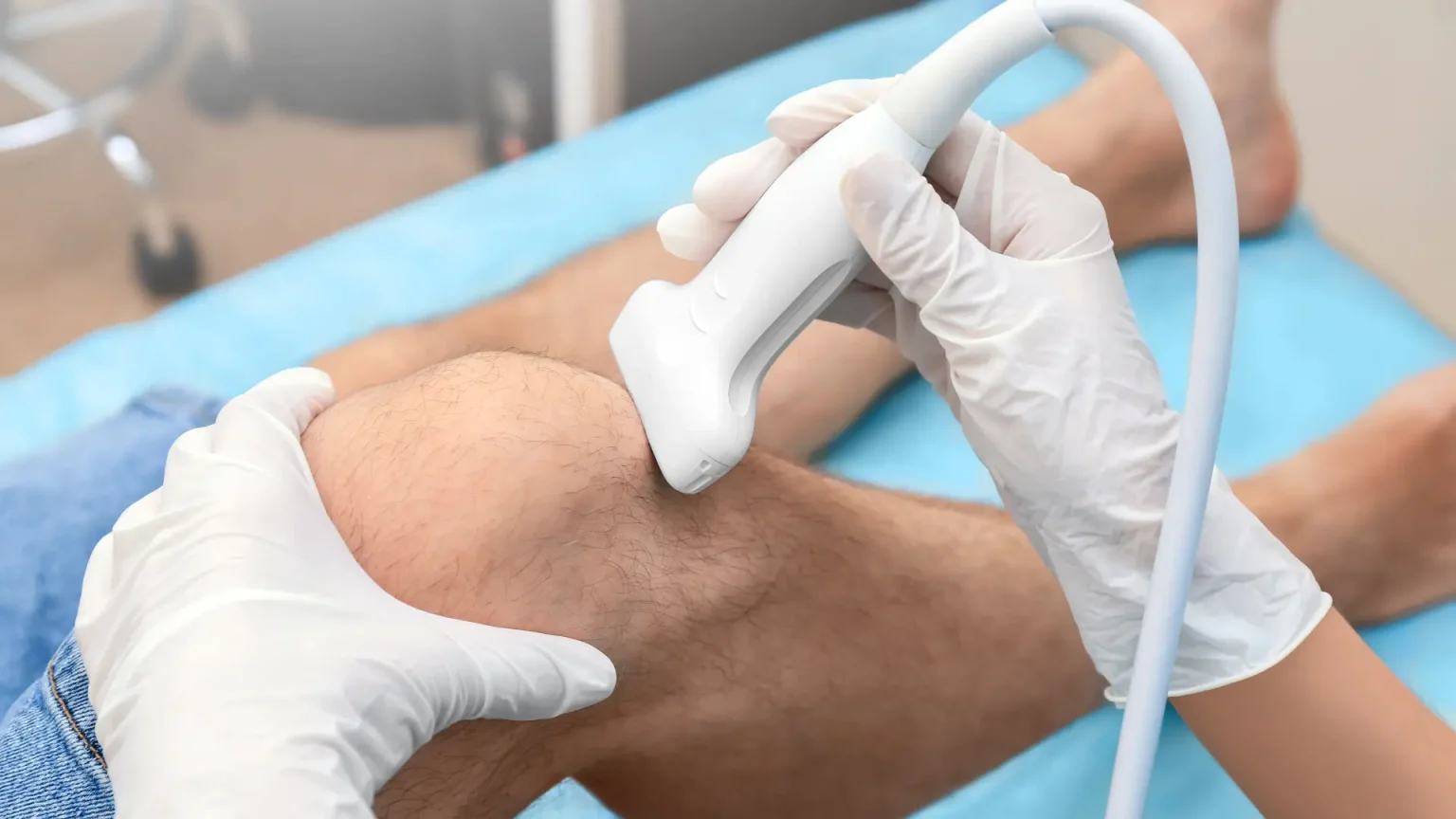
- Medical professionals should administer Crespine Gel through an intraarticular injection to provide symptomatic relief. This injectable restores joints with degenerated cartilage surfaces and pathologically altered synovial fluid.Additionally, Crespine Gel only requires a single treatment performed by qualified medical professionals using a sterile needle into the affected joint space. A typical treatment involves a 2 mL dosage per knee to provide optimal results, highlighting its convenience and cost-efficiency.Patients who have not responded adequately to first-line therapies for knee osteoarthritis (OA) can be ideal candidates for this injectable implant. However, it’s still essential for knee OA patients to seek the guidance of medical professionals to ensure the safety, efficacy, and suitability of Crespine Gel treatments.
Conclusion
Crespine Gel is a promising solution for individuals with knee and hip osteoarthritis, offering relief through its hyaluronic acid formulation that mimics the natural synovial fluid. By providing essential lubrication and cushioning, it reduces pain, enhances joint function, and supports better mobility and quality of life.
While its effectiveness is well-documented, uncertainty about its FDA approval status highlights the need for ongoing research and clinical trials. These efforts will ensure the treatment meets the highest safety standards and becomes more accessible for broader use in osteoarthritis management.
FAQs
1. What is Crespine Gel used for?
Crespine Gel is a hyaluronic acid injection designed to treat knee and hip osteoarthritis by alleviating pain, enhancing joint function, and improving patients’ quality of life.
2. Is Crespine Gel FDA-approved?
Currently, Crespine Gel is not listed in the FDA-approved medical devices database. Limited information is also available regarding its FDA approval status. The manufacturer may be undergoing the approval process.
3. What are the key ingredients in Crespine Gel?
The main ingredients in Crespine Gel include hyaluronic acid, crosslinked hyaluronic acid, natriumchloride, and water for injection. Together, they provide a biocompatible and viscoelastic implant for joint treatment.
- Medical professionals should administer Crespine Gel through an intraarticular injection to provide symptomatic relief. This injectable restores joints with degenerated cartilage surfaces and pathologically altered synovial fluid.Additionally, Crespine Gel only requires a single treatment performed by qualified medical professionals using a sterile needle into the affected joint space. A typical treatment involves a 2 mL dosage per knee to provide optimal results, highlighting its convenience and cost-efficiency.Patients who have not responded adequately to first-line therapies for knee osteoarthritis (OA) can be ideal candidates for this injectable implant. However, it’s still essential for knee OA patients to seek the guidance of medical professionals to ensure the safety, efficacy, and suitability of Crespine Gel treatments.
References
-
-
- Bhandari, M., Bannuru, R. R., Babins, E. M., Martel-Pelletier, J., Khan, M., Raynauld, J. P., Frankovich, R., Mcleod, D., Devji, T., Phillips, M., Schemitsch, E. H., & Pelletier, J. P. (2017). Intra-articular hyaluronic acid in the treatment of knee osteoarthritis: a Canadian evidence-based perspective. Therapeutic advances in musculoskeletal disease, 9(9), 231–246. https://doi.org/10.1177/1759720X17729641
- Arthritis Foundation. (n.d.). Osteoarthritis of the Knee. Www.arthritis.org. Retrieved November 25, 2024, from https://www.arthritis.org/diseases/more-about/osteoarthritis-of-the-knee
-